













Whangarei
17.89°C
Whangarei
17.89°C
Waitakere City
16.98°C
Manukau City
17.11°C
Papakura
24.46°C
Hauraki
17.26°C
Waikato
17.67°C
Matamata
18.46°C
Hamilton
17.51°C
Otorohanga
18.52°C
Rotorua
16.6°C
Taupo
15.44°C
Tauranga
19.27°C
Kawerau
18.6°C
Whakatane
19.64°C
Gisborne
15.51°C
New Plymouth
16.98°C
Stratford
8.97°C
Ruapehu
14°C
Wanganui
17°C
Palmerston North
16.41°C
Wairoa
19.19°C
Hastings
18.84°C
Napier
18.49°C
Masterton
15.49°C
Carterton
15.66°C
Porirua
15.99°C
Lower Hutt
16.45°C
Wellington
15.79°C
Tasman
9.35°C
Nelson
16.27°C
Marlborough
3.22°C
Kaikoura
15.48°C
Christchurch
12.59°C
Ashburton
12.52°C
Timaru
13.37°C
Waitaki
11.32°C
Waimate
13.08°C
Queenstown
12.38°C
Dunedin
14.33°C
Southland
9.98°C
Gore
11.31°C
Invercargill
12.06°C
Blenheim
14.73°C
Te Anau
27.35°C
Wanaka
11.17°C
Kaikoura
13.38°C
Stratford
13.54°C
Upper Hutt
15.9°C
About
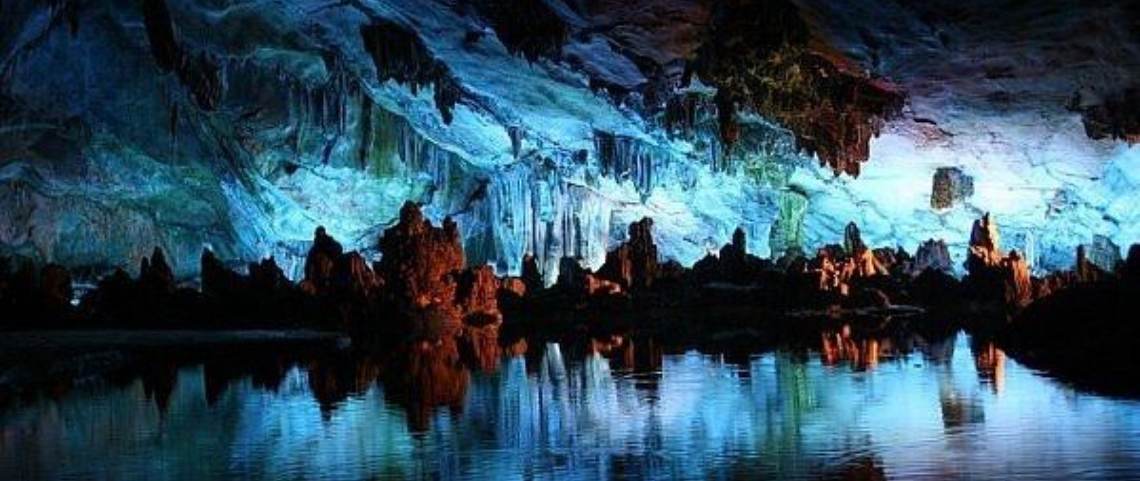
Waitomo is a magical place in New Zealand known for its stunning glowworm caves and adventures.
A three hour adventure exploring the ancient subterranean world of Waitomo. Float on tubes through an underground river staring at a ceiling illuminated with thousands of glowworms. Walk and climb over rocks while discovering breath taking formations naturally chiseled over millions of years. Complete your adventure by unwinding and soaking in a cedar hot tub, surrounded by beautiful native bush.
One of the Waikato’s, and indeed New Zealand’s, best kept secrets is Kawhia Hot Water Beach. Head down to Ocean Beach in Kāwhia at low tide, clamber over the sand dunes and stroll down onto the beach. Find your spot and start digging for an instant natural hot water spa, with stunning views to match.
Kāwhia is a peaceful beachside town steeped in Maori history, and is the final resting place for the voyaging Tainui Waka (canoe). This heritage is illustrated not only in the community of Kāwhia but in the world famous Kawhia Kai Festival – held in February each year the Kawhia Kai Festival is a celebration of Maori cuisine, culture, and traditions and draws crowds from near and far. Lonely Planet listed the Kawhia Kai Festival in the Top 10 Indigenous events for overseas visitors and tourists to attend.
The off-the-beaten-track and somewhat untouched nature of Kāwhia provides for the perfect destination to escape to. The Kawhia wharf and harbour is great for a spot of fishing. On a hot summer’s day you will often find local children jumping off the wharf to cool off.
Discover a twin set of captivating short walks in the heart of Waitomo's breathtaking landscape, where the Mangaotaki Walk and Waitanguru Falls Walk promise an unforgettable New Zealand adventure. Tucked away on Mangaotaki Road near Piopio, these trails offer a stunning glimpse into the region's unique natural beauty, ideal for families, nature lovers, and even your canine companions (with a permit!). The Mangaotaki Walk invites you into a magical realm. Wind your way over ancient tree roots, marvel at colossal boulders, and gaze up at towering kahikatea trees that form a vibrant canopy. This 30-minute loop is not just a walk; it’s an immersion into a lush native forest. For keen anglers, the Mangaotaki River, accessible via the Mangaotaki Scenic Reserve, is renowned for its rainbow trout, making it a prime spot for fly fishing (permit required). Just 11km further along Mangaotaki Road, the Waitanguru Falls Walk offers an equally rewarding, easy 15-minute return journey. This gentle trail leads you to a dedicated viewing platform, perfectly positioned to admire the majestic Waitanguru Falls as it cascades dramatically over ancient limestone. Both walks boast stunning limestone outcrops and rugged landscapes, providing incredible photographic opportunities. Adding to their allure, the Mangaotaki Valley is famously home to Hairy Feet Waitomo, the actual filming location for Trollshaw Forest in The Hobbit: An Unexpected Journey! These family-friendly Waikato Walks are a fantastic, free outdoor activity, allowing you to explore pristine nature. Located at Mangaotaki Road, Mahoenui 3971, these Waitomo walks are an essential stop for anyone seeking an authentic slice of New Zealand's wild beauty. Don't forget your camera, and check the DOC website for dog walking and fishing permit details!
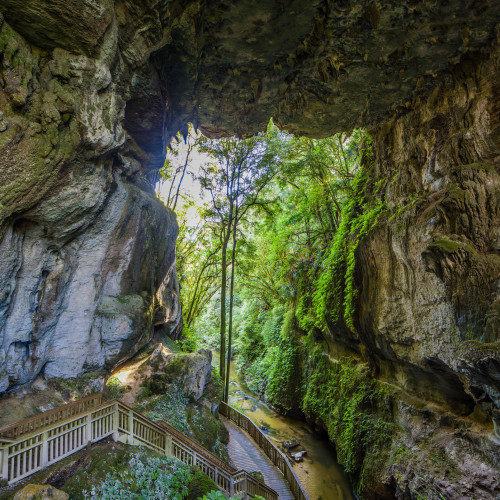
Walk through an impressive limestone gorge that passes underneath a 17 m high natural arch.
Mangapohue Natural Bridge is a highlight on the scenic drive from Waitomo Village to Marokopa. The track is pushchair-friendly and follows a boardwalk through an impressive limestone gorge that takes you underneath a natural bridge.
The 17 m high limestone arch, which spans the Mangapohue Stream, is all that remains of an ancient cave system. From here the track becomes stepped and passes under the bridge giving a superb view of the ceiling studded with stalactite-like formations and an excellent view back down the gorge.
The track continues for over farmland. Follow the marker posts around to the right and up the hill where you can see 25 million year old fossilised oysters exposed in the limestone outcrops. Follow the marker posts until you cross a stile back into the reserve heading back to the car park.
This is a great short walk and the track is easy to follow. Although there are some steep parts it is within most people’s capabilities. Children will be able to tackle this walk easily, provided they’re big enough to walk up steps and can endure an hour of gentle walking.
At the first big kahikatea, look left and you’ll see an open, grassy area providing stunning views out across the Mangaweka river terraces and the cliffs cradling the Rangitikei River, to the Ruahine Ranges. Further on, the track heads into forest with large matai, rimu, tawa and titoki trees.
From Mangaweka, drive south and turn right onto Te Kapua Road. Follow this for about 600m until you reach a little off-road carpark by a farm gate on the right-hand side of the road. The track begins on the other side of the road, so beware of traffic
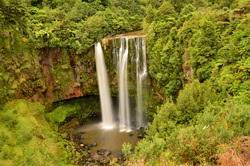
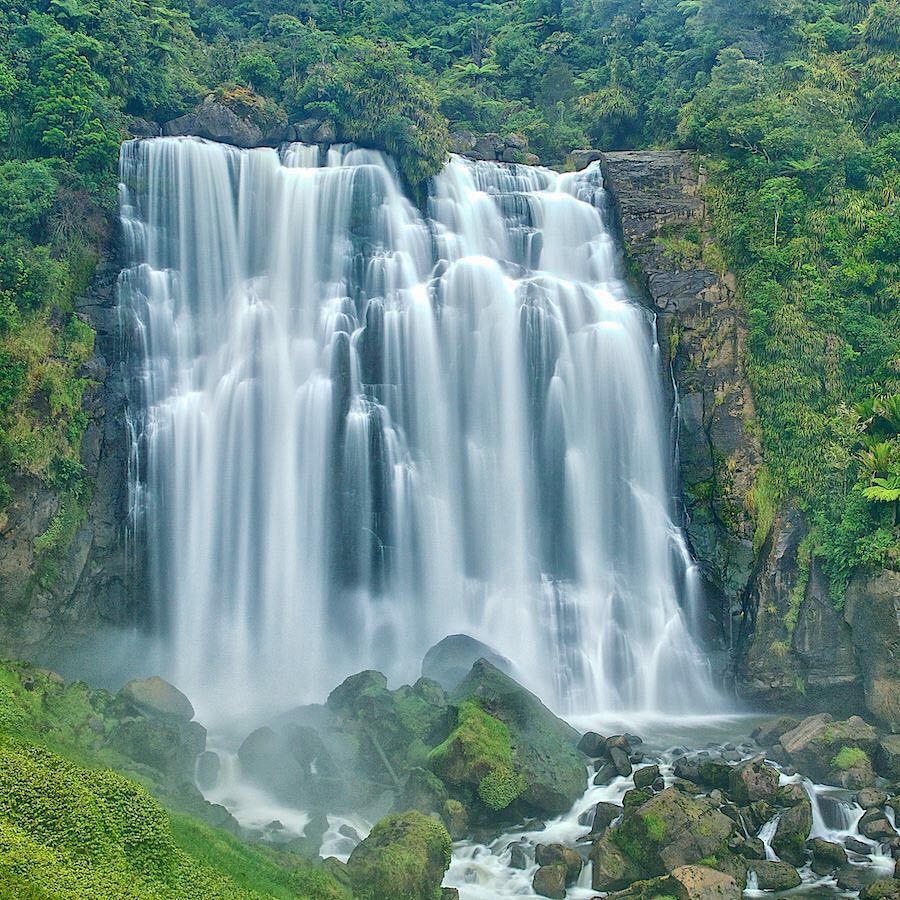
Many believe these falls to be one of the most beautiful in New Zealand, just a short drive from Waitomo Caves.
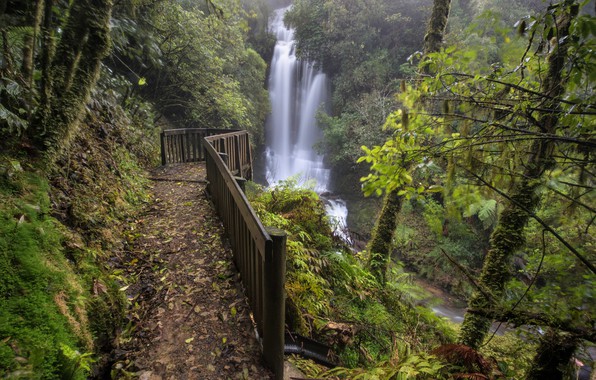
Take a scenic drive towards the tiny west coast village of Marokopa to discover a truly dramatic view, as here you will find one of New Zealand's most stunning (and secret) waterfalls, the Marokopa Falls. The return drive from Waitomo Caves has a variety of short walks you can stop and trek on your way. This short-walk, only 20 minutes return, passes through native tawa and nikau forest to reach the viewing platform for the dramatic falls. The 35m high waterfall divides the Marokopa River into two fisheries, providing popular trout fishing spots along the river. If you're travelling to Waitomo Caves for an underground adventure, be sure to take the time for the short drive out to the falls, located just 30 minutes drive west of the village, it is not to be missed.
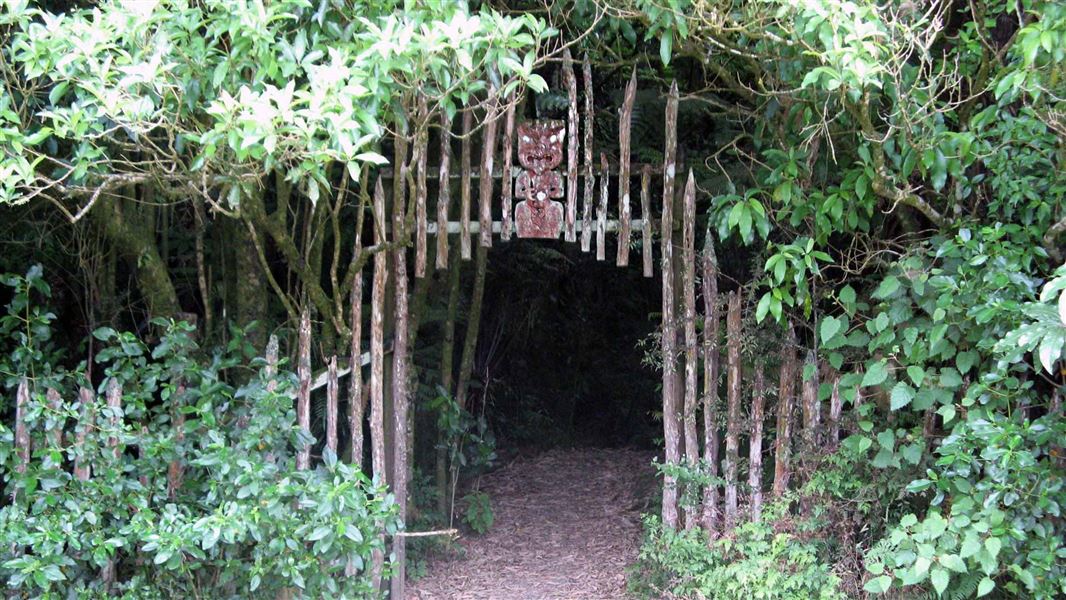
Walk through native forest to the site of a small defensive pā built and used by Ngati Hia in the late eighteenth century.
This walk takes you up through native forest to a fence line, with plant identification labels along the way. Cross a stile onto farmland and then up a steep track to the pā site. Keep to the fence line and be mindful of stock that may be in the paddock. The farm track may be slippery if wet.
The pā was occupied by Ngāti Hia in the 1700s, and was the site of a notable battle between Ngāti Hia and a war party led by Tanetinorau. Defence structures (trenches) and kūmara pits are evident at the pā site.
The steep slopes around the pā were a natural defence against raiding parties. Ditches were dug across the access ridges and wooden palisades surrounded the interior living area. Though diminished over time, it is not hard to imagine the impressive fortifications that once stood here, and reflect on the battle that took place between Ngati Hia and Taane Tinorau.
The dry soil of the pāwas also a good place to store kumara and tubers in winter. The kumara pits were on the lower slopes and had timber and earth roofs. They were outside the main defences and only lightly fortified.
From the site there are fantastic views over the area, including other Maori fortifications, the mountain ranges of Rangitoto, and more distant Ruapehu.
On the highest part of the ridge is the pā site where a panel outlines its history.
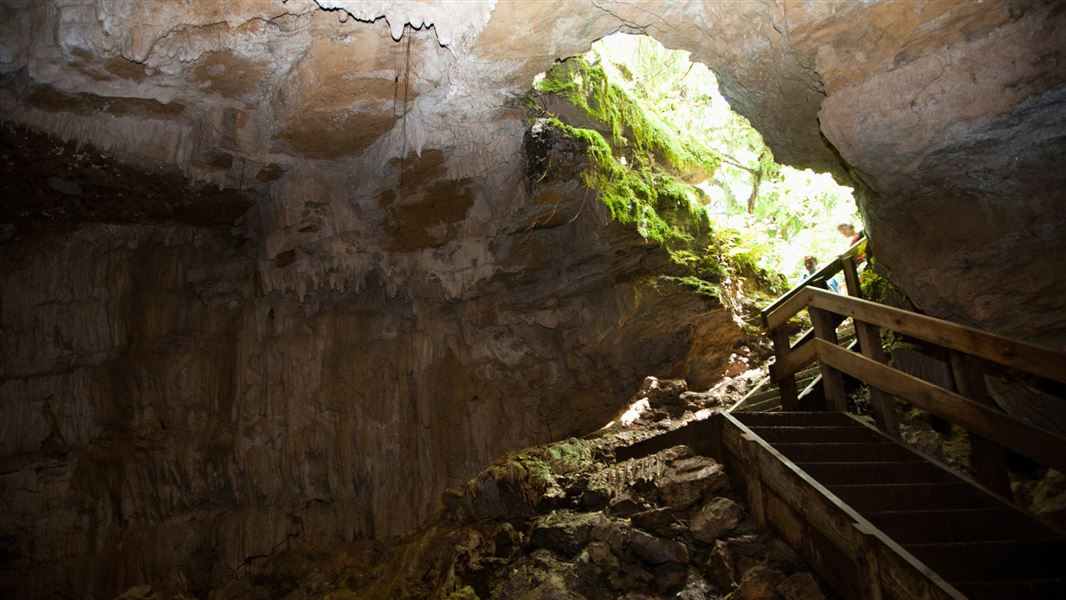
Piripiri Cave offers the chance to soak in the majesty of a cave in one of the few free caves open to the general public in the area.
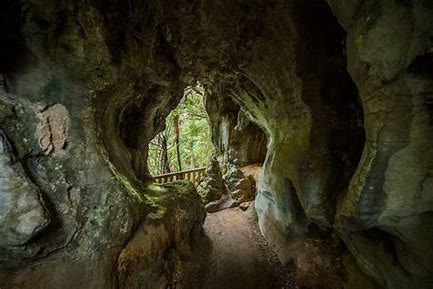
A short walk takes you up through native bush and past some limestone outcrops, and then descends a short stair case to the cave entrance. A platform at the bottom allows you to stand and marvel at the size of the cave and the fragile ecosystems within. A short drive from the Mangapohue Natural Bridge and west of Waitomo Village, is the Piripiri Cave Walk. Take a torch and explore one of the few free Waitomo Caves.
Know before you go:
Discover a forested gorge, natural sculpted cliffs and low limestone arches on this spectacular loop walk - plenty to keep kids interested.
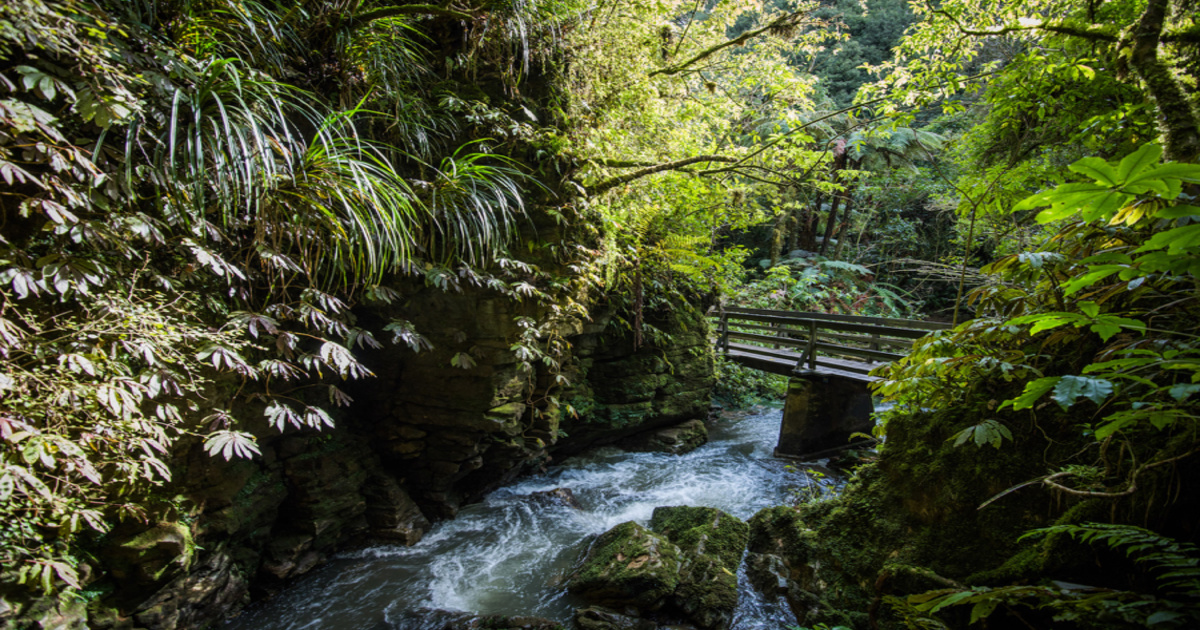
A real highlight of the Waitomo area, this spectacular loop walk takes you through a forested gorge, past natural sculpted cliffs and under low limestone arches.
The track follows the stream and then winds up around a network of limestone bluffs and outcrops before descending down to the Ruakuri Natural Bridge viewing platform.The entrance to the viewing platform is dark, so take care when walking down the steps. The platform extends out over a large cavernous tunnel where you can see large speleothems (stalactites and stalagmites) and a stream running along the bottom.
Glowworms illuminate the banks of the track at night. The best place to see them is at either side of the main bridge.
The grassed area near the Ruakuri Caves carpark contains picnic tables, a grassed area for children to run around, and toilets. There is also a coin gas BBQ on site - $1 for 25 mins of use.
The track is 4 km from Waitomo Village.
Head west from Waitomo Village and turn left at the roundabout into Tumutumu Road. Follow that road for about 2 km and turn right at the signposted access to Ruakuri car park.
The walk is in the Ruakuri Caves and Bush Scenic Reserve which encompasses 114 ha of native bush and limestone formations.
A number of native birds fly through the scenic reserve, around the car park, and around the track. More commonly seen forest birds include kereru (native wood pigeon), tui, piwakawaka (fantail) and tauhou (waxeye). Karearea (New Zealand falcon) are often seen and heard from the car park.
Dolines (enclosed depressions), karren (fluted outcrops), arches tunnels and caves are collectively known as karst. This special landscape is a feature of Waitomo, with the Waitomo Caves world famous for their beauty and abundance of glow worms.
Ruakuri means ‘Den of Dogs’ and was named by the chief Tanetinorau who was travelling through the area when one of his party was attacked bywild kurī (Polynesians dogs) defending their den. The area is of much spiritual and cultural significance to Māori.
Once the realm of hardcore trampers and hunters, this deep wilderness can now be explored on an 85-kilometre trail that reveals its awe-inspiring beauty and the story of how this special place has changed over the ages.
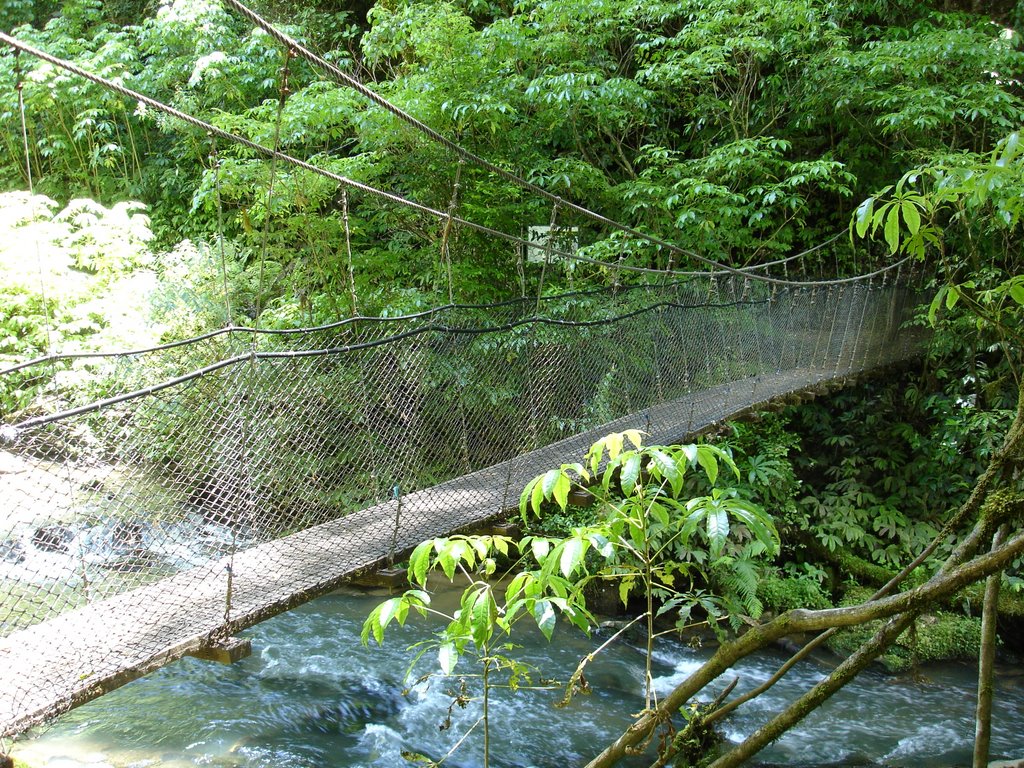
The Timber Trail follows the path of old logging roads and tramlines, linked with purpose-built singletrack and a series of thrilling suspension bridges. It runs between the tiny settlements of Pureora and Ongarue, with even smaller Piropiro around the halfway mark. Limited road access, remoteness, and memorable accommodation in the middle make a two-day, ride, starting in the north at Pureora, the most rewarding approach.
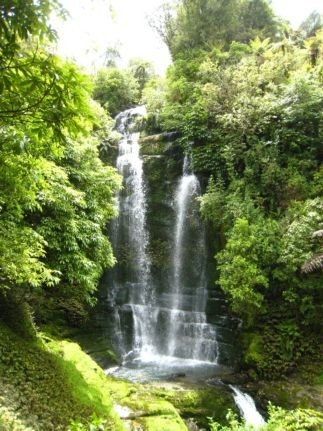
A well graded and stepped walking track takes you down to a viewing platform that looks out to this magnificent tiered waterfall.
These falls are 11 km from the Mangaotaki Walk, which is also on Mangaotaki Rd.
A scenic 15-meter waterfall, Waitanguru Falls is located in a rural area between Te Kuiti and New Plymouth. Easy walking access and stunning farmland views make this waterfall just the right place to visit.
The Waitomo Walkway traverses classic limestone landscape, meanders beside the Waitomo Stream through forest and open farmland.
The walkway is an easy grade except for some short steep parts. It starts in the Waitomo Village (opposite the Discovery Centre) and passes up through bush and across farmland with some great views back to the Waitomo Village. It then crosses the Te Anga Road beyond the Waitomo Glowworm Caves. From here it follows the Waitomo Stream through a mix of shady forest and open farmland to the Ruakuri Scenic Reserve.
The Waitomo Walkway has a variety of limestone features to view. Dolines (enclosed depressions), karren (fluted outcrops), arches tunnels and caves are collectively known as karst. This special landscape is a feature of Waitomo, with the Waitomo Caves world famous for their beauty and abundance of glow worms. Along the banks of the Waitomo Stream you will see a major replanting project undertaken by the community, DOC and Environment Waikato to improve water quality and reduce the effect of erosion.
Know before you go: