Whangarei
17.89°C

Whangarei
17.89°C
Waitakere City
16.98°C
Manukau City
17.11°C

Papakura
24.46°C
Hauraki
17.26°C

Waikato
17.67°C
Matamata
18.46°C
Hamilton
17.51°C
Otorohanga
18.52°C
Rotorua
16.6°C
Taupo
15.44°C
Tauranga
19.27°C
Kawerau
18.6°C
Whakatane
19.64°C
Gisborne
15.51°C
New Plymouth
16.98°C

Stratford
8.97°C
Ruapehu
14°C
Wanganui
17°C
Palmerston North
16.41°C
Wairoa
19.19°C
Hastings
18.84°C
Napier
18.49°C
Masterton
15.49°C
Carterton
15.66°C
Porirua
15.99°C
Lower Hutt
16.45°C

Wellington
15.79°C

Tasman
9.35°C
Nelson
16.27°C
Marlborough
3.22°C
Kaikoura
15.48°C
Christchurch
12.59°C
Ashburton
12.52°C
Timaru
13.37°C
Waitaki
11.32°C
Waimate
13.08°C

Queenstown
12.38°C
Dunedin
14.33°C
Southland
9.98°C
Gore
11.31°C
Invercargill
12.06°C
Blenheim
14.73°C
Te Anau
27.35°C
Wanaka
11.17°C
Kaikoura
13.38°C
Stratford
13.54°C
Upper Hutt
15.9°C
About
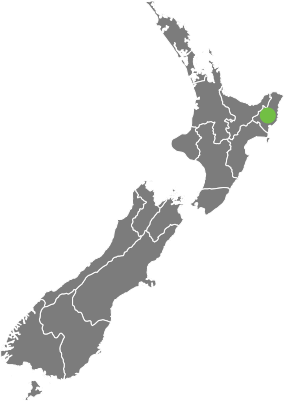






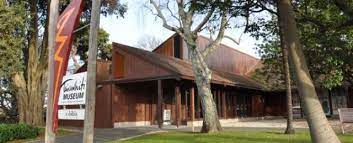
Located in Gisborne, Tairawhiti museum is a treasure trove of Ngāti Porou taonga and expertise.
The Museum also contains a Research Centre with amongst other things an excellent collection of historic photographs from the region.The Museum also has an excellent education service for for primary, intermediate and secondary schools in the Tairawhiti.
There are always new exhibitions on display, along with many Ngāti Porou taonga from our past.
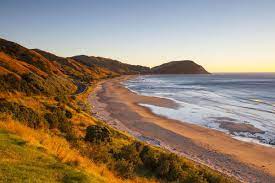
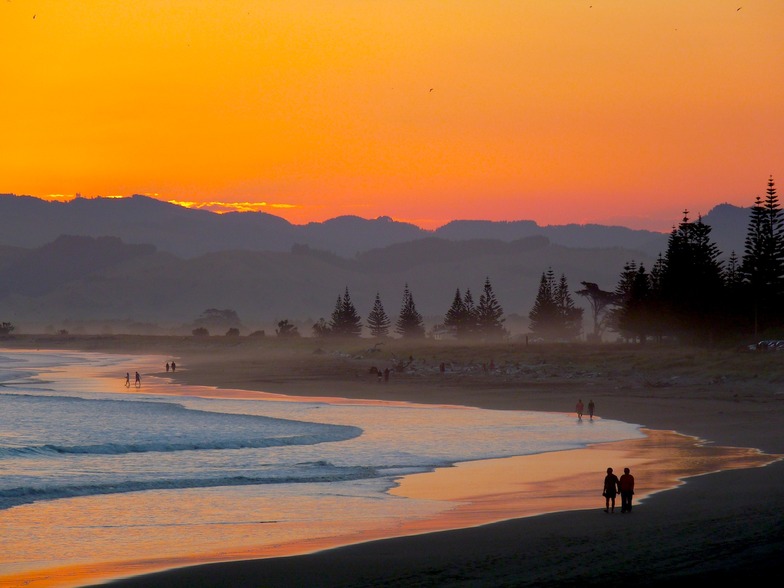
Wainui Beach, and its twin beach Makorori, have the reputation for offering dependable surf breaks in the summer months. With sand dunes and Reserve land behind the beach offering protection from wind and erosion, and a dedicated chapter of the Surf Life Saving Club on hand.
Wainui is an ideal swimming destination for locals and tourists alike. The beach is also internationally famous as the site of a tragic mass whale beaching in 1970, and a memorial to the event can be found in the Reserve area.
Toilets are available, and parking can be easily found on the roadside or the Reserves behind the beach.
A popular beach for surfing. Makorori Point is a famous surf location. A right-hander breaks over a shallow reef system setting up a long sweeping ride that is a surfer’s dream. Watch for a south or south-east swell and waves around 2 metres from mid to high tide for the epic wave. At the northern end of the beach there are toilets and picnic facilities. To the south there is a walk with panoramic views from the headland separating Makorori Beach from Wainui Beach
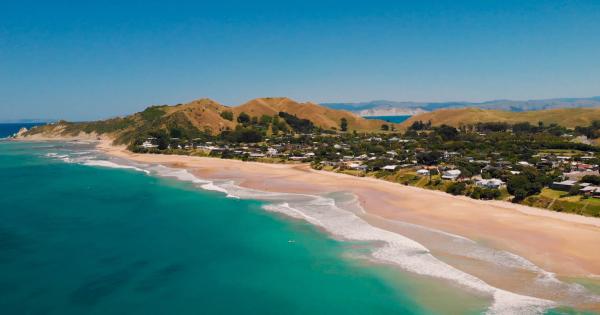
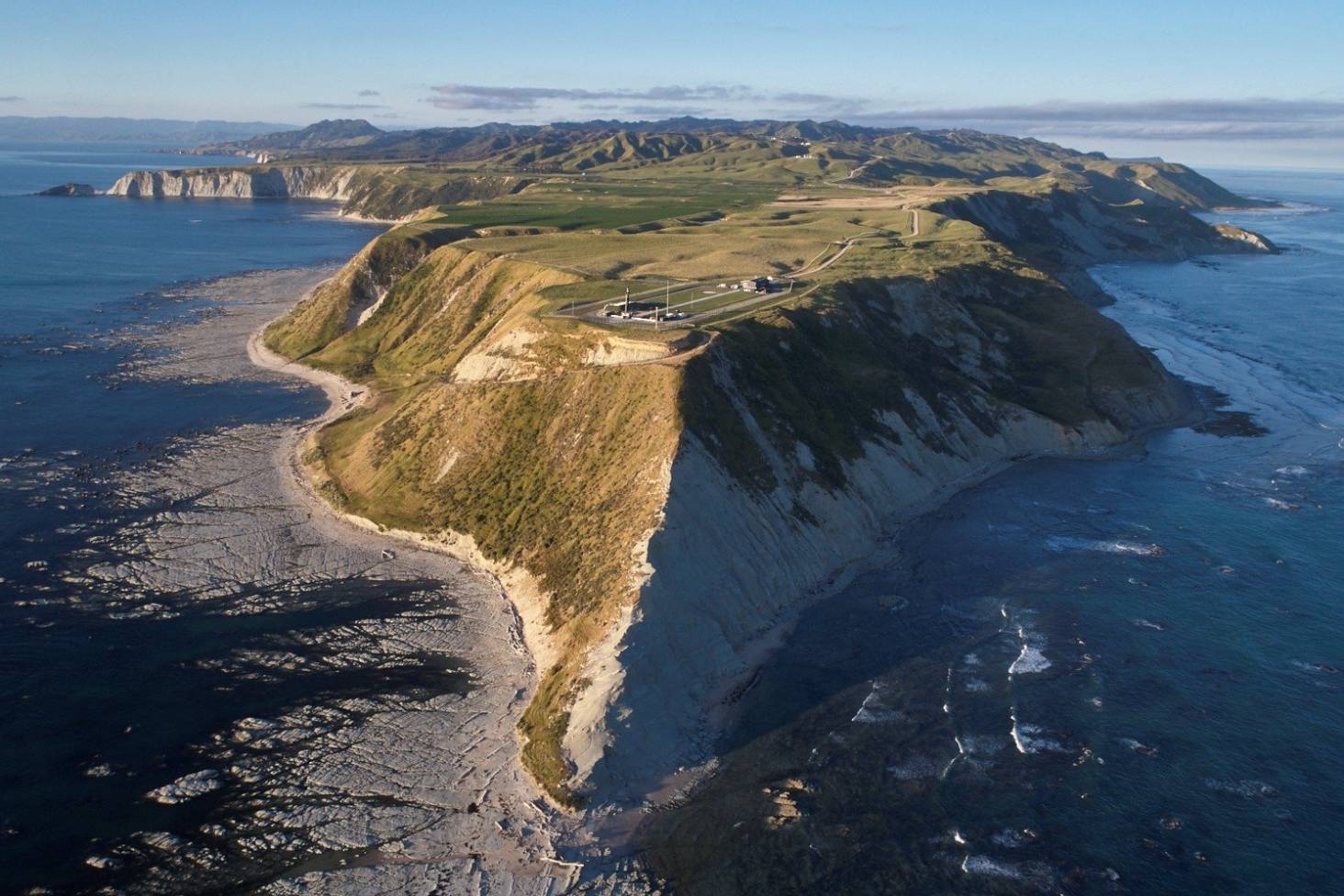
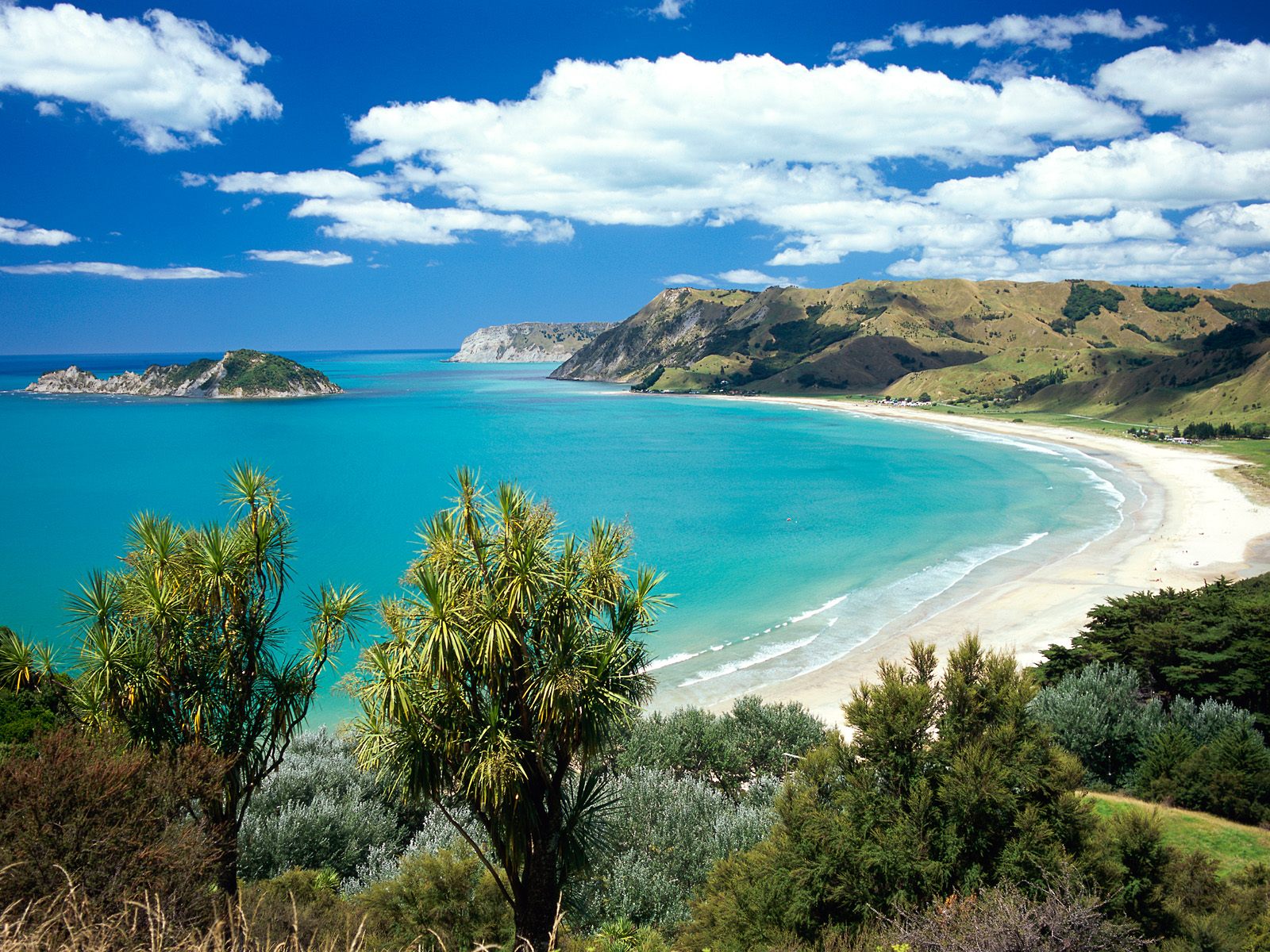
The Mahia Peninsula is a hilly promontory projecting south into the sea, between Poverty Bay and Hawke’s Bay. According to Māori legend, Mahia Peninsula is Te matau a Maui - the fish-hook of Maui.
The peninsula has a number of beautiful beaches and peaceful holiday villages and is a natural playground for people who like to surf, fish, dive, kayak and swim. It has an interesting mix of sandy and rocky beaches – some exposed to the ocean swells, others beautifully sheltered.
Discover the black sand of Black’s Beach and the tranquillity of Poutama and Mahia Beaches. If you want to catch some waves, Mahanga Beach and The Reefs are great destinations.
Kaitia Beach is one of the most historic beaches in New Zealand. It is the first landing site of the Horouta waka, which brought the ancestors of tangata whenua, and James Cook, the first European to land on New Zealand. A WWII gun emplacement sits on the Titirangi Reserve behind the beach. Other features of the reserve are nature walking trails and summit tracks and four look points.
The most popular activity at this part of the beach is water-skiing, slaloming and wavesailing. A concrete boat ramp provides easy access, across this pebbly beach, to Poverty Bay.
Waikanae Beach is very popular and is located only one kilometre from the centre of Gisborne City. There is a motor camp directly behind the beach. Waikanae Beach is home to the Gisborne Waikanae Wainui Surf Life Saving Club. Waikanae Beach is popular for many activities and is reasonably safe and swimmers should swim between the flags. The beach is patrolled during weekends over summer and school holidays by professional Lifeguards
About Midway Beach Midway Beach is a popular swimming and surf beach.? Midway surf lifesaving club patrol the beach in summer with swim between the flag areas. History Midway Beach and to a greater extent the Waikanae Beach foreshore is historically significant, the site represents the first ?meeting place? of the Maori and Pakeha cultures in October 1769. ?The various land parcels that make up what is now the Midway Beach Reserve were gifted to the Council over a number of decades. The Midway Surf Club is a prominent building within the reserve. It was officially opened on 24 October 1965, and is considered one of the best competitors in the surf life saving field in New Zealand.
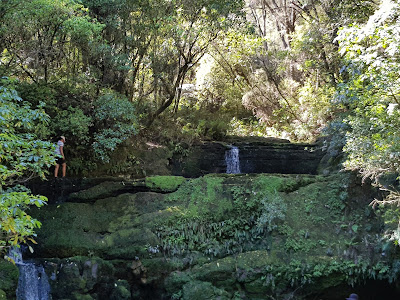
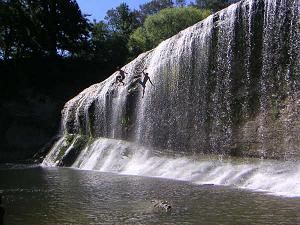
The Waihirere Falls walk starts from Waihirere Domain, which is a classic Tairawhiti experience in itself. At the northern end of the domain, the walk follows the stream up the valley. It's one of the few native bush walks closely accessible to Gisborne. Once you get to the falls then it's a fun and relatively simple rock climb to the top - great little trip with the kids.
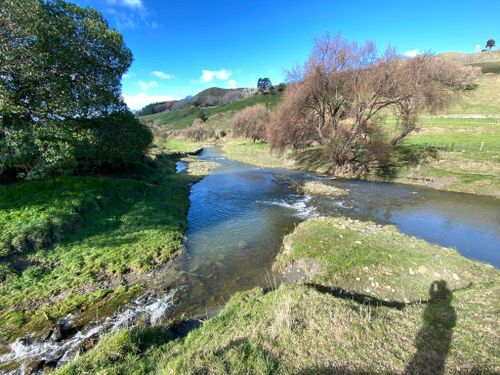
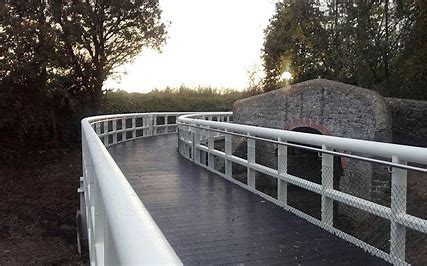
The walk commences at the left of a highway rest area and descends a set of steps to the tunnel entrance (walkers are not advised to enter the tunnel as the old concrete structure is now in an unsound condition). From this point the walk follows the clearly visible railway formation across open farm land for 2 km before crossing the Waihuka river alongside the concrete piers of an old railway bridge.
The walk from here continues through the hill cuttings and benchings made with pick and shovel by the railway workers some 80 years ago. Wooden culverts, large concrete sumps, fish plates and spikes can be seen along the walk.
After passing through the light bush on the edge of the Otoko Scenic Reserve, where spectacular yellow-flowering kowhai can be seen in the spring, the walkway leaves the railway formation. The tracks turns left down a farm vehicle track, follows the Waihuka river for a short distance and finishes at the State Highway opposite the Otoko Hall. Before making the turn down the farm track a short walk along the railway line offers views of a small picturesque waterfall set among native bush.
It’s the locals’ favourite place to stretch their legs in Gisborne city! The flat and easy walks follow the banks of the Taruheru and Turanganui Rivers turning into a boardwalk as it hits the beach. Awesome ocean and riverside views can be seen along the walk. Additionally, with the many entry points onto the walk, you can cut it as short as you like along the 2.5km (1.5 miles) walk. The walk is wheelchair accessible and can be ridden by bike too.
Location: A good start is at the end of Grey Street along the Taruheru River.
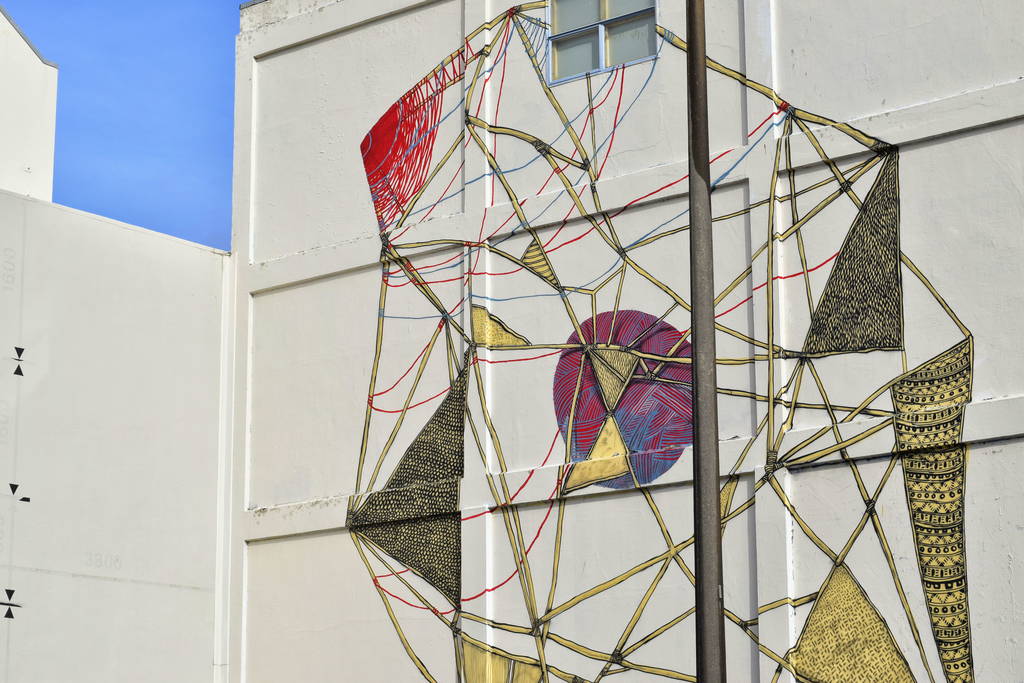
Go on your own self-guided art trail around Gisborne. Pick up a map from the Gisborne i-SITE on Grey Street and visit the mural painting at your own leisure. Many of the murals depict historical scenes and the region’s diversity.
It’s a welcoming place for new beginnings and new discoveries – the landing place of great navigators and the origins of Aotearoa New Zealand’s defining dual heritage. Here along the shores of Tairāwhiti, you can experience the history of Turanganui-a-Kiwa Gisborne come to life with your own eyes and at your own pace along the Tupapa heritage trail. Since its launch in April 2019, Tupapa - Our Stand. Our Story. has taken the definition of a self-guided walk to a whole new meaning. Designed and integrated with a world-class app, Tupapa delivers a seamless and in-depth experience of the rich stories of tangata whenua (indigenous peoples) and allows you to gain comprehensive insight of the region’s unique culture and history – with this experience offered in both English and Te Reo Māori. Easy enough to navigate for first-time visitors, this 4km walking tour passes by key places of interest and landmarks, with ten eye-catching tour markers guiding you from the city up to the scenic walking tracks of Titirangi Reserve. You can start the tour anywhere along the walk, but the best place is the 3D Trail Overview map. Begin at Waikanae Beach just down the road from Gisborne i-Site and walk along the scenic Oneroa walkway towards the mouth of the Turanganui River - the shortest river in New Zealand at only 1200 metres long. Interspersed along the trail are beautiful artworks acknowledging tipuna (ancestors), a national historic reserve and even the largest tukutuku in the world – a traditional Māori artform used in meeting houses and binding waka (canoes). Once you arrive at the summit of Titirangi, you are rewarded with panoramic views of land, sea and sky and learn about the voyaging traditions that brought great navigators to cast their anchors here.
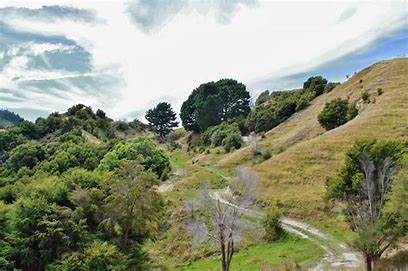
Te Kuri Farm Walkway is located on a private farm on the northern outskirts of Gisborne. The walkway has a well defined track that is suitable for people with average physical fitness. It is a 2-3 hour loop that can be walked in either direction. The walkway initially passes through areas of flat farmland before steadily climbing 230 metres to a lookout point (Town Hill, 290 metres). There is a steady climb up to this lookout, and the view it gives of the Poverty Bay flats is well worth the effort. A special feature of the walk is the panoramic views which can be seen from various points along the route. There is one notable area of remnant, semi-coastal forest of a type once common on the foothills of the Poverty Bay Flats. The bush in the gullies is dominated by puriri, kohekohe and mahoe, while the ridges and slopes are clothed in kanuka, forest and blackwood plantations. Elsewhere radiata pine is the dominant species. The bush provides a home for a number of forest birds such as tui, kereru (native wood pigeon), owl (ruru), grey warbler (riroriro) and fantails (piwakawaka). On a clear day from the Town Hill lookout, visitors can see as far south as Mahia Peninsula and as far west as Maungapohatu on the eastern fringes of Te Urewera.
Wear good quality walking shoes or boots. There is no drinkable water available on the walk. The track crosses private farmland - be aware of stock and leave gates as you find them. No dogs, horses or mountain bikes are allowed on the walkway.
In earlier times there was a great deal of Maori settlement on the coast and inland to the hills around the Poverty Bay flats. A number of iwi (tribes) and hapu (sub tribes) are associated with the area, tracing their original settlement back to around the 12th century. Another period of settlement was initiated following Captain Cook's 1769 landfall in the bay and the city of Gisborne has developed out of this meeting of cultures. In the 1880's the majority of buildings were in what is now the central business district and along Gladstone Road. There were very few buildings on the northern side of the Taruheru River although Ormond Road was partially formed.
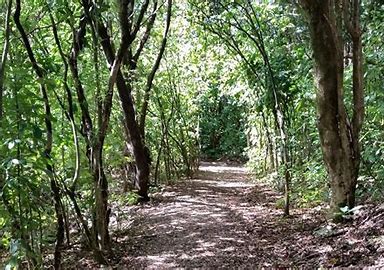
There is a loop track through the reserve, which crosses over three small foot bridges and takes between 20-30 minutes to complete. There is also a lookout platform in the reserve, from which there is a good view of Wainui Beach and the surrounding hills. There is a grassy picnic area close to the car park with several picnic tables and plenty of room to spread out. The track is well formed and graded and suitable for all age groups and levels of fitness. The original vegetation in the reserve was a small remnant of modified coastal forest with broad-leaved species and puriri. The main species indigenous to the area would have been kohekohe and puriri, with a number of other plants such as ti kouka, mahoe and ngaio.
The forest remnant was heavily modified. Substantial plantings over the last 20 years have introduced or reintroduced many plant species. Plantings have been made of: whau, mahoe, mapou, koromiko, totara, ti kouka, flax, rewarewa, tanekaha, kawakawa, rangiora, pittosporum and coprosma species, hangehange, ngaio wharangi, kowhai ngutukaka (kaka beak), kowhai, taraire, nikau, kauri and tawapou. Although some of these species such as kauri are not endemic to the Gisborne District, they are thriving, probably due to climatic changes in the area. There are a number of bush bird species that have made their home in the reserve. Those most commonly seen (and hear) are kereru (native wood pigeon) and fantail (piwakawaka), with occasional tui, grey warbler and bellbirds.
The Okitu Scenic Reserve was created in 1974 when a 2.66 ha piece of land, informally know as "Lysnar's Bush", was donated to the Crown by Winifred Frances Lysnar. The land was reserved in memory of her parents W. Douglas and Ada E. Lysnar who were long term residents of the area. At this time the Gisborne branch members of the Royal Forest and Bird Protection Society of New Zealand were appointed managers and guardians of the reserve. Over a number of years members of the Forest and Bird Society cleared away bracken and weeds, planting out some 3,500 plants to vegetate the reserve. They also made tracks and erected a footbridge and picnic table for visitors.
In 1988 the management of the reserve was taken over by the Department of Conservation at the request of the Forest and Bird Society. Since then the Department has continued with the planting programme begun by the Forest and Bird Society, and has also periodically upgraded the fencing and recreational facilities. Many different charity and conservation groups have assisted with the management of the reserve and the maintenance of the facilities over the years, and it is a popular place with visitors and local residents.
A short walk up a headland that's all about the fantastic view - overlooking Wainui Beach to the south and Makarori Beach to the north.
If you don't mind walking for 5 minutes on the highway, you can join the with the Okitu Bush Reserve walk too.
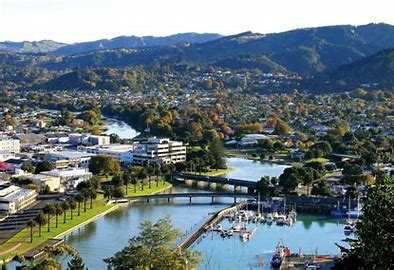
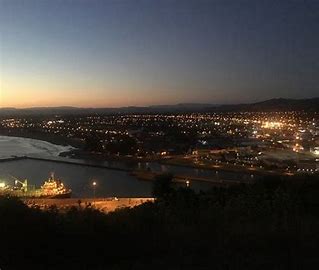
Titirangi/Kaiti Hill stands tall above Gisborne a sprawling 35 ha reserve with amazing views of the city centre and its three rivers. What once was a pā (fortified village), Titirangi/Kaiti Hill stands tall above Gisborne a sprawling 35 ha reserve with amazing views of the city centre and its three rivers, logging ships, Turanganui a Kiwa and beyond.
You can walk, bike or drive up to the top of Titirangi with walking tracks, a fitness course, picnic areas and plenty of scenic lookouts, it's a cool spot to enjoy any time of day.
The Rere Rockslide is a thrilling natural waterslide located near Gisborne on the North Island of New Zealand. This exciting attraction offers an exhilarating adventure for both locals and tourists, combining natural beauty with aquatic fun.
At the Rere Rockslide, visitors can slip and slide down a smooth rock surface, with water rushing down from the Rere Falls, creating a thrilling and slippery ride. The rockslide is nestled within a lush forested area, making it a perfect spot to cool off on a hot day while enjoying the natural surroundings.
The rockslide is a popular destination for families and thrill-seekers alike. It's an ideal spot for swimming, picnicking, and spending a day in the great outdoors. Visitors can bring inflatables or simply use their bodies to glide down the slide, creating a memorable experience for all ages.
The Rere Rockslide is not only a fun water attraction but also an opportunity to appreciate the beauty of New Zealand's landscape. The surrounding area offers walking trails, viewpoints, and a chance to explore the serene Rere Falls nearby.
Whether you're looking for adventure, a refreshing swim, or a day of relaxation in a stunning natural setting, the Rere Rockslide promises an unforgettable experience in the heart of New Zealand's scenic beauty. It's a must-visit destination for those travelling to the Gisborne region.
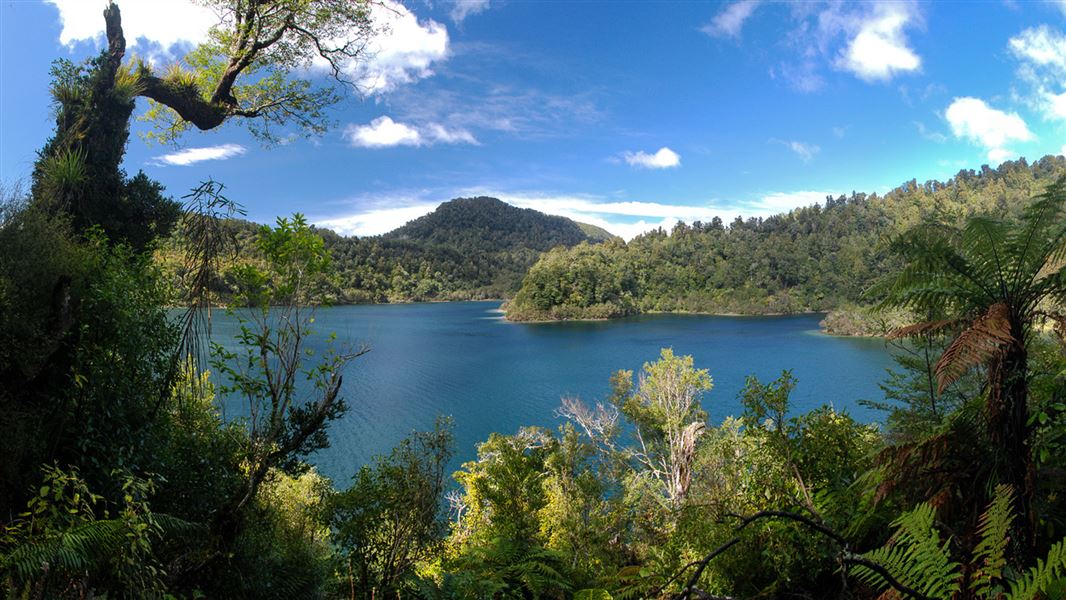
Te Urewera, an ancient and untouched wilderness, invites you to step into the heart of New Zealand's North Island and embark on a journey through time and nature. This pristine region, often called the "Land of Mist," is a haven of awe-inspiring landscapes, where dense rainforests, cascading waterfalls, and tranquil lakes converge in harmony.
Te Urewera is a place where the land tells stories, and the whispers of the past echo through the trees. It holds deep cultural significance for the Tūhoe people, who have lived here for generations. This connection to the land is palpable, and visitors can experience the rich Māori heritage through guided tours and encounters with welcoming locals.
Adventurers will find their paradise amidst Te Urewera's extensive network of hiking trails, from gentle walks to challenging treks that lead to breathtaking viewpoints. Lake Waikaremoana, a jewel within the park, offers kayaking and fishing opportunities beneath a canopy of ancient trees.
Here, time seems to stand still, allowing you to escape the hustle and bustle of modern life and immerse yourself in the serene beauty of Te Urewera. Whether you seek cultural enrichment, outdoor adventures, or simply a respite in nature's embrace, this mystical wilderness beckons you to discover its secrets and connect with the soul of New Zealand.